50th Anniversary Celebration: Bats, Bases and Brotherhood
8/10/2026 1:27:00 PM | Baseball
LOWELL, Mass. – The UMass Lowell baseball program has come a long way since the merger between Lowell Tech and Lowell State 50 years ago. Two Division II College World Series appearances, 21 MLB Draft picks and a move to Division I are just a few of the milestones from a storied, gritty program.
The cornerstone of the program for 37 years was Head Coach Jim Stone, who became the skipper of the Lowell Tech program in 1965 before taking the helm at the newly created ULowell and later UMass Lowell from 1976 until 2003. Stone was instrumental throughout the program’s merger, helping the two teams blend together seamlessly. Billy Moloney ’78, one of the first baseball scholarship recipients at Lowell, said Stone eased worries about potentially losing playing time following the merger.
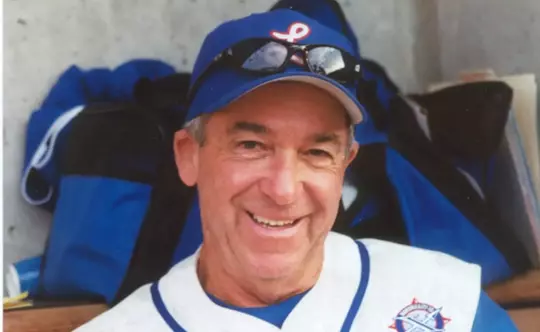
“Once the transition happened, it turned out (Lowell State) had some great ball players and Jim Stone did a great job of welcoming everybody,” Moloney explained about the atmosphere following the merger. “He didn’t hold any grudges and the Lowell State kids played as much as the Lowell Tech kids.”
One of the critical moments of the transition era was the team’s first trip to Florida.
“We decided to take a Florida trip and that was enticing for more local kids to come here,” recalled Stone.
“The Florida trip was satisfying because we raised the money, earned it and worked hard for it,” Moloney said. “We played some good games, and we came together as a team down there.”
In just a few short years, Lowell made its first of 14 NCAA Tournament appearances under Stone. The legendary coach built a foundation on recruiting largely local players.
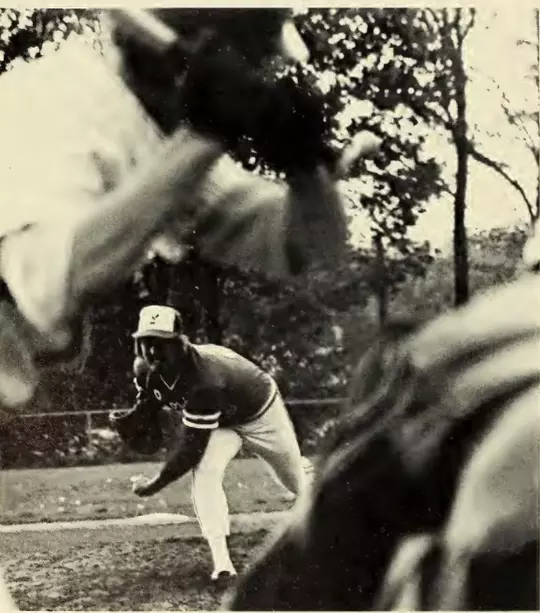
“We had an outstanding chance at recruiting local kids as we grew,” Stone said. “Winning helps.”
One of those local players was Ken Connerty ’83. The Burlington, Mass., native starred for Lowell, serving as a team captain for two seasons. Connerty, who was an assistant coach alongside Stone for 16 seasons, said the recruiting strategy was a hallmark of Stone’s style.
“The radius was probably within 30 miles that we got all of these great ball players,” Connerty said. “Coach Stone was a great recruiter, and he knew when there was a pipeline. I was from Burlington, and there were at least a few players before and after me that also came from Burlington.”
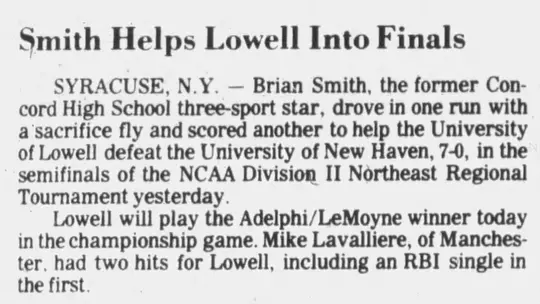
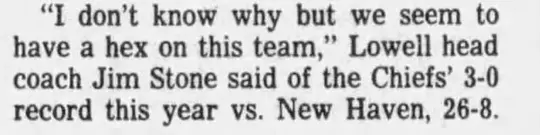
Both as a player and a coach, Connerty helped Lowell rise to prominence. As a sophomore in 1981, he made a leaping snag at the wall to take the program’s first ever win over then Division II powerhouse New Haven. Lowell made its second NCAA Tournament appearance that season, on a team featuring MLB veteran and 1987 Gold Glove winner Mike LaValliere ’82.
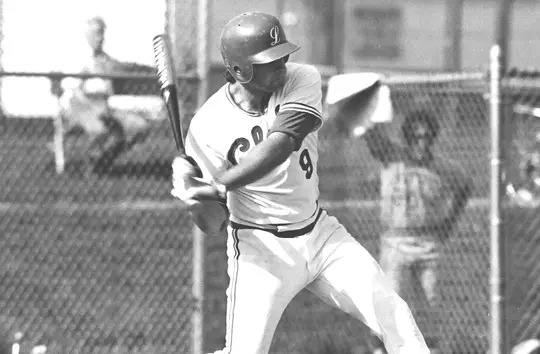
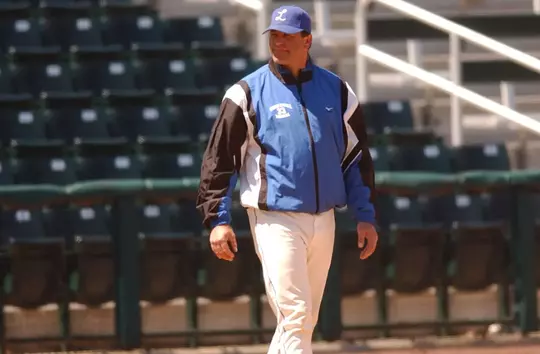
“That was the most exciting time I can remember as a player,” Connerty said of beating New Haven. “We beat New Haven three times that year, and they represented our region in the College World Series for maybe 10 straight years. That’s when the program really took a turn and I knew we were going places.”
With Stone and Connerty leading the way, the program continued to improve. Everything started to build in the late 90s, with regional appearances in 1995, 1997, 1998 and 1999 seeing UMass Lowell come frustratingly close to the College World Series. The River Hawks twice made a regional final, but couldn’t quite break through.
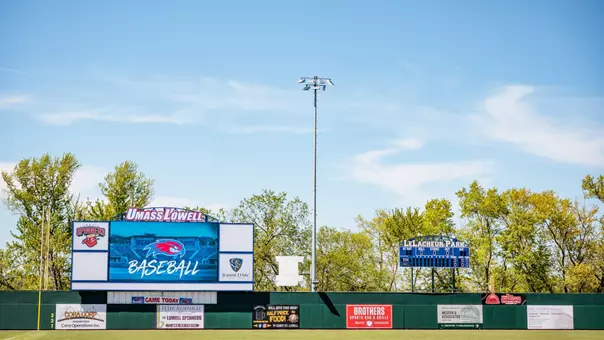
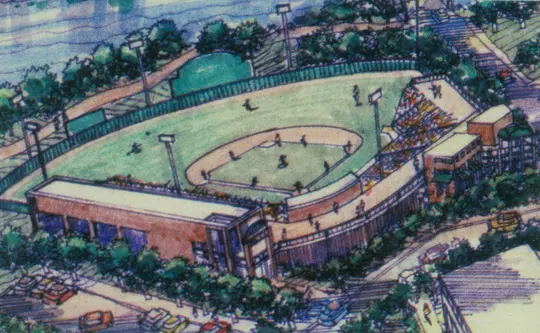
“The ’97, ’98 and ’99 teams were very good, but we were just snakebitten,” Connerty said. “Then LeLacheur came, and that was the difference. LeLacheur made the difference in recruiting and the seriousness of everything.”
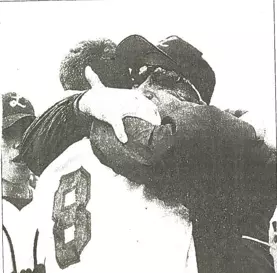
Jon Cahill ’01 was there throughout the ups and downs of the regional appearances. The two-way player shined in the 2001 regional, when UMass Lowell stormed back from a game two loss to take down Concordia twice, punching a ticket to the 2001 DII College World Series.
“You’re not going to learn a lot by success,” Cahill said. “There’s a lot of failure that goes on to know how much more you have to work. On the first day of fall that year, it was written on the old lockers back in Costello ‘Montgomery, Alabama is the goal.’ That’s the College World Series.”

In their first College World Series game, the River Hawks announced their presence on the national stage, decimating eventual runner-up Central Missouri State, 13-5.
“Meeting Coach Stone and Coach Connerty and learning about the winning tradition they built was enough for me to decide to go here,” Cahill said. “The goal was to make it to Montgomery every year.”
Make it to Montgomery they did, as the team followed the 2001 College World Series trip with another in 2002. Stone said the team enjoyed it so much, they worked extra hard to get back.

“It was awesome for the kids,” Stone said. “When you win, people want to come here even more and set the goal of being in the national championship.”
Stone built the program from the ground up and left it with two College World Series appearances in his last three seasons.
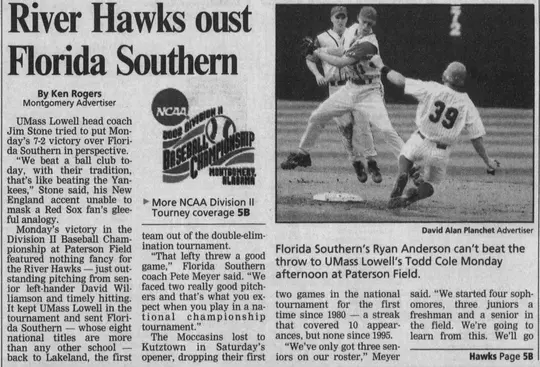
“I didn’t do it alone,” Stone said of laying the foundation. “It was the kids who loved the game of baseball and wanted to play at that level. There were a lot of really good assistant coaches. There were a number of good people who loved the game as much as I did.”
Especially as an impending move to Division I loomed, toughness was a staple of the program. Geoff DeGroot ’15 moved from Florida to join the River Hawks and played for UMass Lowell at both the Division II and I levels.
“We felt like we could beat anybody we stepped on the field against,” DeGroot said. “That was just our mentality of toughness.”

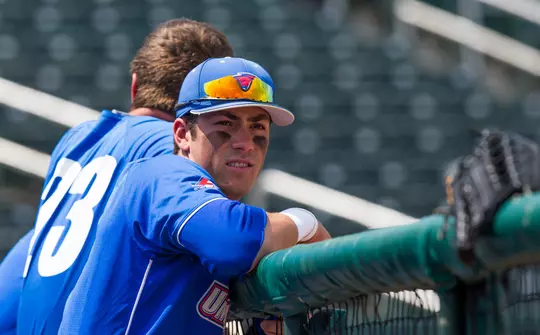
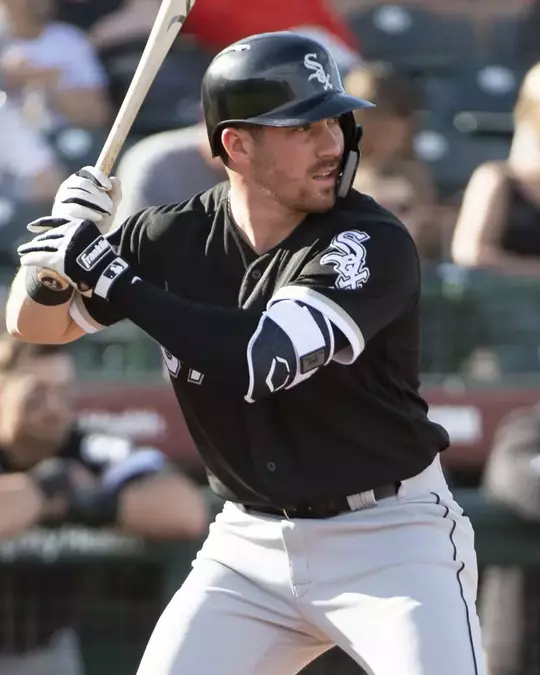
Six-year MLB veteran Danny Mendick ’15 came to UMass Lowell knowing the program wasn’t eligible for the postseason during his time there. However, he had another goal in mind.
“It was more about making a name for the school,” Mendick said. “Collectively as a team, we wanted to put UMass Lowell on the map and make sure the teams we’re playing know what kind of school and baseball team we are.”
It didn’t take very long for UMass Lowell to be put on the map. While the first weekend of the season got cancelled, the River Hawks jumped out to a roaring start once games got underway.
“I have to go back to that mentality of ‘We don’t care who you are,’” DeGroot said. “I think we certainly showed that at the start of our Division I tenure and made a bit of a splash in the way we played those first two weekends.”
The River Hawks started the Division I era with a 14-3 win over Temple.
“It’s the adrenaline, and the feeling of everything you’ve worked for coming to light,” Mendick said about the victory. “As a team, we clearly went out and showed we had more fire and more drive.”
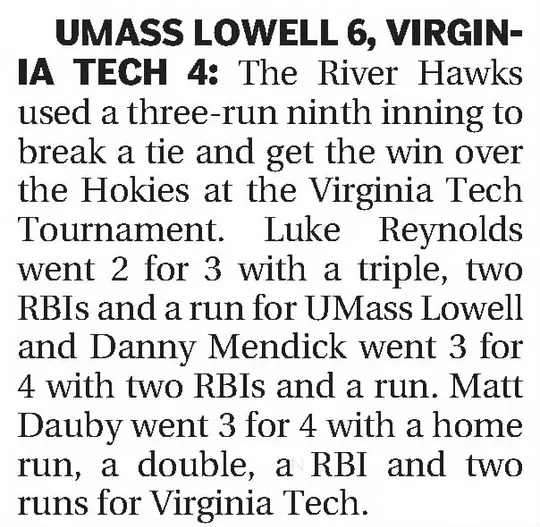
After the first weekend, the program exploded onto the scene. Facing off against Cincinnati and Virginia Tech, the River Hawks took three out of four games, with the only loss coming in extra innings to the Hokies.
“We’re going in there against Virginia Tech as our first Division I team, and we just wanted to beat them,” Mendick said. “It’s more pressure on them not to lose. When we did beat them, it was a very good feeling. It proved we were there to beat people and we’re UMass Lowell.”
From the earliest days to today, throughout its many eras, UMass Lowell baseball, its players and coaches have exemplified what Mendick describes as the “River Hawk Way.”
“The River Hawk Way is just being the grittiest player that you possibly can be,” Mendick concluded. “The hardest person to beat is the person that never quits."